
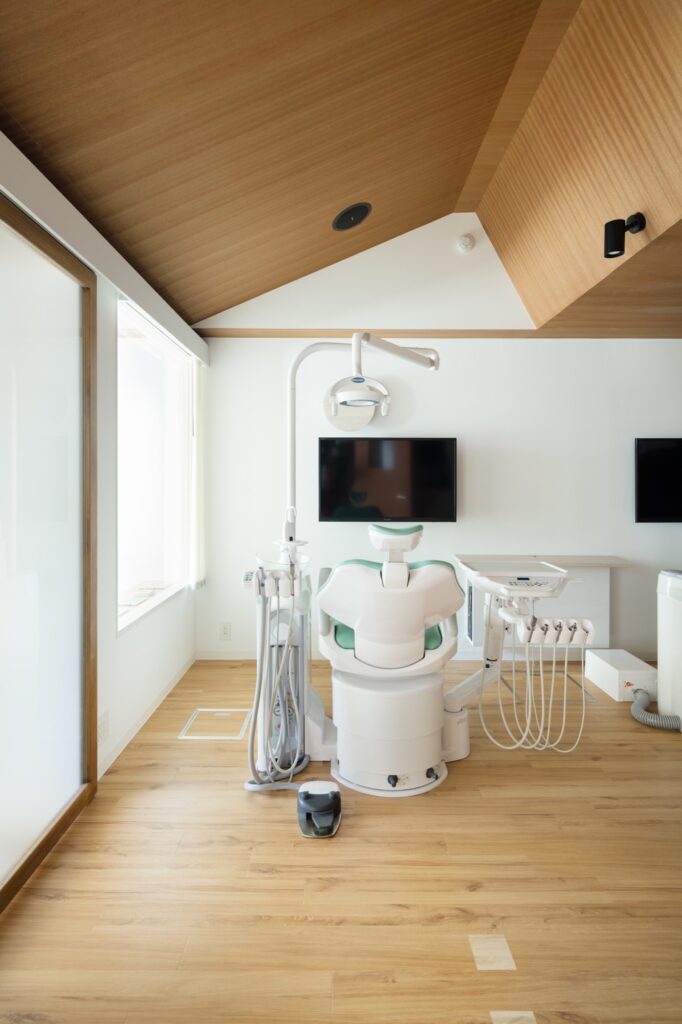
In a rapidly aging society like Japan, a dental clinic dedicated to geriatric patients sought to overhaul its physical environment and clinical protocols to better serve its frail and often cognitively impaired elderly population. A Dental Core Solution Company provided a holistic “age-friendly” renovation, focusing on accessibility, comfort, and safety.
The Challenge: The Unique Needs of Geriatric Dentistry
The traditional dental surgery environment is often stressful and physically challenging for older adults. The existing clinic had standard dental chairs that were difficult to get in and out of for patients with mobility issues. The bright, fluorescent lighting was harsh for aging eyes, and the noisy environment could be disorienting for those with dementia. Clinicians struggled to safely treat wheelchair-bound patients and those with involuntary movements. The practice needed to evolve from a purely clinical space to a therapeutic, supportive environment.
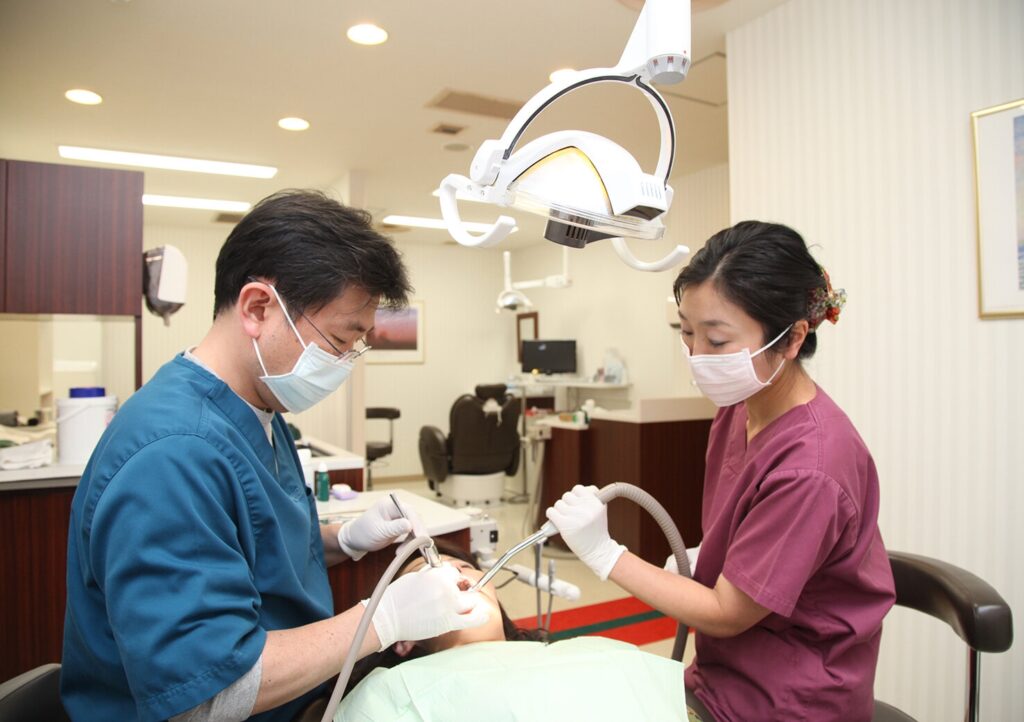
The Solution: A Comprehensive Geriatric-Focused Design
The renovation addressed every touchpoint of the patient journey, creating a space that was both clinically efficient and profoundly humane.
- Accessible and Adaptive Equipment: The centerpiece was the installation of fully adjustable, low-profile dental chairs. These chairs could be lowered almost to the floor, allowing patients to transfer from a wheelchair with minimal effort. Some chairs even pivoted to act as a lift, gently assisting the patient to a standing position. For patients who could not transfer, a portable dental unit was acquired to allow the dentist to provide care while the patient remained in their wheelchair.
- Dementia-Friendly Design: The clinic’s interior was transformed using a calming, non-institutional color palette. Clear, high-contrast signage was installed to help with wayfinding. The lighting was changed to a warmer, indirect LED system to reduce glare. Visual distractions were minimized to create a less stimulating environment.
- Specialized Clinical Tools: The clinic was equipped with specific instruments for geriatric care: softer-bristled prophylaxis angles for sensitive gums, high-volume evacuators for patients with difficulty controlling saliva, and bite blocks to safely keep mouths open for those with muscle fatigue or tremors.
- Integration of Digital Workflows: To reduce chair time and improve outcomes, the clinic adopted intraoral scanning, eliminating the discomfort of traditional impressions, which can trigger gag reflexes. CAD/CAM technology was used to design and mill durable yet lightweight dentures, which are easier for elderly patients to adapt to.
- Staff Training in Geriatric Care: Beyond hardware, the company facilitated specialized training for the entire staff on communicating effectively with hearing-impaired patients, managing behaviors associated with dementia, and understanding the polypharmacy issues common in the elderly.
Implementation: A Sensitive and Staged Process
The renovation was planned meticulously to minimize disruption to the patient base. Work was done in phases, perhaps starting with one treatment room while another remained operational. Mock-ups of the new chairs were tested with volunteer elderly patients to gather feedback. The staff training was integral, ensuring that the team was fully prepared to utilize the new environment and tools to their maximum potential before the clinic fully reopened.
Results and Impact: Enhanced Dignity, Comfort, and Outcomes
The age-friendly renovation had a transformative effect on the practice’s culture and efficacy.
- Improved Patient Experience and Compliance: Patient anxiety visibly decreased. Families reported that their elderly relatives were more willing to attend appointments. The ease of access reduced the physical strain on both patients and their caregivers, leading to better adherence to recall schedules.
- Clinical Efficacy and Safety: Dentists found they could perform procedures more safely and efficiently. The ability to treat patients in their wheelchairs opened up care to a previously hard-to-serve population. The use of gentle digital impressions improved the fit of prosthetics.
- Practice Differentiation and Growth: The clinic established itself as a regional leader and referral center for geriatric dentistry. It attracted new patients from assisted living facilities and families specifically seeking a practice that understood the needs of the elderly, resulting in significant practice growth.
This case illustrates that in an aging world, dental care must evolve. By applying a geriatric-focused lens to both the physical space and clinical protocols, a Dental Core Solution Company can empower a clinic to provide not just treatment, but compassionate, dignified, and highly effective care for our oldest citizens.