Introduction
The establishment of a new dental specialty hospital in Riyadh presented an opportunity to redefine clinical efficiency and operational excellence. However, the project faced challenges related to device heterogeneity, maintenance complexities, and training inefficiencies. A Dental Core Solution Company partnered with the hospital to implement a unified medical device standardization strategy, aligning with Saudi Arabia’s Vision 2030 for healthcare modernization.
Challenges
The hospital’s initial plan involved sourcing equipment from multiple international suppliers, leading to:
- Incompatible Systems: Devices from different manufacturers often lacked interoperability, hindering seamless data integration.
- High Maintenance Costs: Varied equipment required specialized spare parts and service contracts, increasing operational expenses.
- Extended Training Durations: Staff needed to learn multiple systems, delaying competency development and impacting productivity.
These issues risked compromising patient care quality and escalating lifecycle costs.
Solution: Unified Device Standardization
The Dental Core Solution Company designed a holistic standardization strategy:
- Consolidated Equipment Selection:
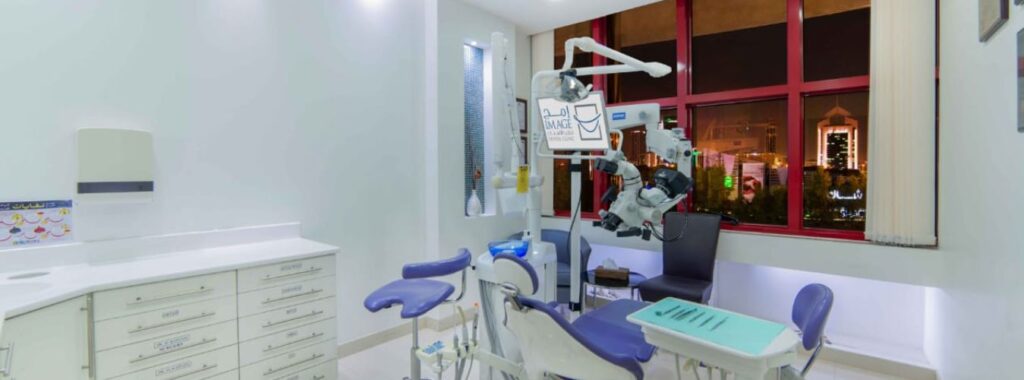
- Standardized on a single globally recognized brand for dental operatory units and digital imaging systems (e.g., panoramic and CBCT machines).
- Ensured compatibility with hospital information systems (HIS) for integrated data flow.
- Customized Training Modules:
- Developed centralized training programs focused on the standardized equipment, reducing the learning curve.
- Utilized train-the-trainer models to empower local staff as super-users.
- Predictive Maintenance Infrastructure:
- Implemented IoT-enabled devices with remote monitoring capabilities to anticipate maintenance needs.
- Established a localized spare parts inventory to minimize downtime.
Implementation Process
The rollout was phased over six months:
- Phase 1: Replacement of non-standard devices in high-priority departments (e.g., oral surgery and prosthodontics).
- Phase 2: Integration of digital workflows, including electronic health records (EHR) and imaging software.
- Phase 3: Continuous performance tracking using key performance indicators (KPIs) like mean time to repair (MTTR) and user proficiency scores.
Stakeholder engagement was prioritized through weekly coordination meetings with hospital administrators and clinical leads.
Results and Impact
- Cost Savings: Maintenance expenses decreased by 30% within the first year due to streamlined service contracts and bulk purchasing of consumables.
- Training Efficiency: Device-specific training time for new staff reduced by 40%, accelerating departmental onboarding.
- Operational Uptime: Equipment availability reached 99.2%, supported by predictive maintenance alerts.
- Regulatory Alignment: Standardized devices simplified compliance with Saudi Food and Drug Authority (SFDA) regulations, ensuring adherence to mandatory registration and post-market surveillance requirements.
Conclusion
Device standardization transformed the Riyadh hospital into a model of operational efficiency and clinical reliability. By prioritizing interoperability and lifecycle management, the project demonstrated how strategic partnerships can overcome fragmentation in healthcare settings.