Introduction
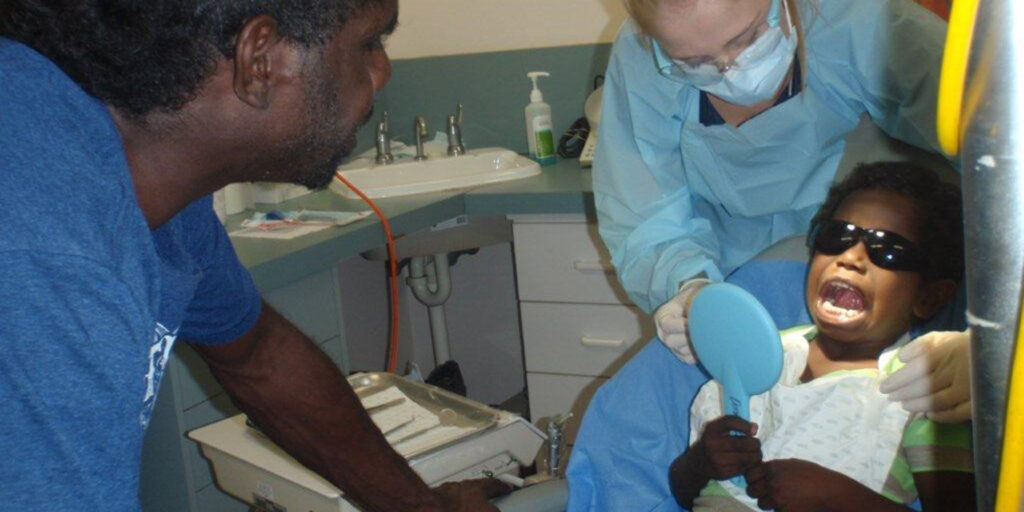
Aboriginal communities in the Northern Territory experience disproportionately high rates of dental caries, driven by limited access to care and socioeconomic barriers. A Dental Core Solution Company launched a mobile preventive care program to improve oral health outcomes for Indigenous children.
Challenges
- Geographic Isolation: Communities are dispersed across vast, remote areas with no fixed clinics.
- Cultural and Language Barriers: Low engagement with conventional health services.
- High Disease Burden: Childhood caries prevalence exceeded 70% in some localities.
These issues resonate with findings from Australia, where digital health technologies (DHTs) are being explored to improve access in remote Indigenous communities.
Solution: Culturally Adapted Mobile Care
The program featured:
- Mobile Dental Units:
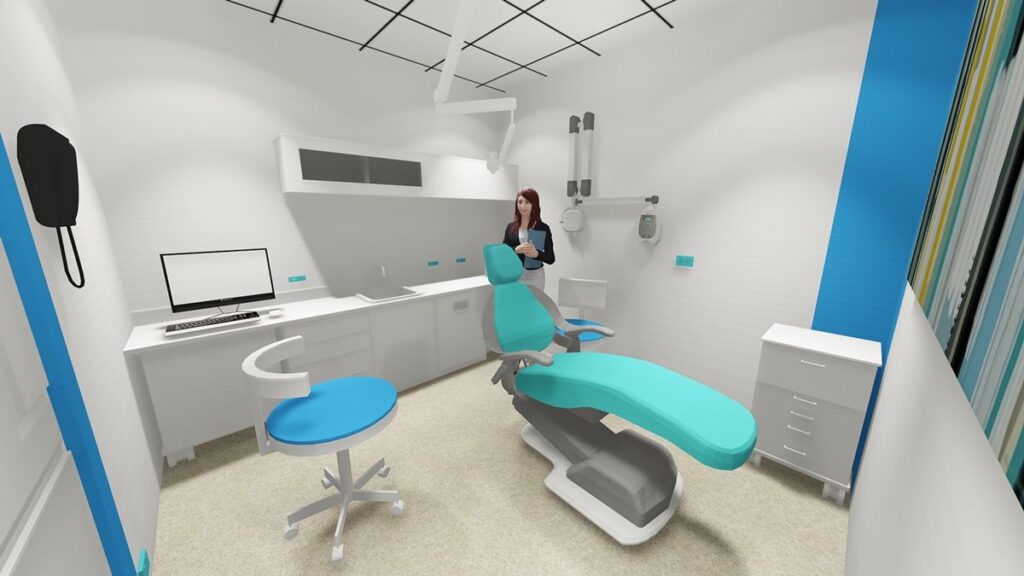
- Vehicles equipped with portable dental chairs, ultrasonic scalers, and fluoride varnish supplies.
- Visual Educational Tools:
- Pictorial flipbooks and animations in local languages to demonstrate brushing techniques.
- Preventive Interventions:
- Biannual fluoride varnish applications and fissure sealants for children aged 5–12.
- Community-Led Governance:
Implementation Process
- Pre-Engagement: Community elders approved the program’s scope and messaging.
- School-Based Sessions: Services were delivered at schools to maximize participation.
- Data Collection: Digital tablets recorded treatment data for real-time monitoring.
Results and Impact
- Caries Reduction: Pediatric caries incidence fell by 45% over 24 months.
- Participation Rates: Over 90% of eligible children received preventive treatments.
- Empowerment: Local health workers now independently manage 80% of the program.
- Policy Influence: The model informed Northern Territory’s Closing the Gap dental initiatives.
Conclusion
By combining mobility, cultural sensitivity, and prevention, this program effectively addressed oral health inequities in one of Australia’s most vulnerable populations.