

Introduction
The public health clinic in Ciudad Juárez, situated along the Mexico-United States border, faced significant challenges in infection control due to high patient volume and limited resources. Serving a vulnerable population with limited healthcare access, the clinic struggled with healthcare-associated infections that compromised patient safety and treatment outcomes. A comprehensive infection control upgrade was necessary to bring the facility up to international standards while working within the constraints of a public healthcare budget.
Challenges
The clinic confronted multiple infection control challenges that required immediate attention. The sterilization equipment was outdated and unreliable, with manual autoclaves that lacked proper monitoring systems and consistent steam quality. There were critical gaps in sterilization monitoring processes, using only basic chemical indicators that couldn’t verify actual sterilization conditions achieved during cycles. The clinical environment had poor air quality control with insufficient ventilation rates and no HEPA filtration systems in treatment areas. Additionally, there were inadequate sterilization protocols with inconsistent instrument processing procedures and insufficient staff training on aseptic techniques. The clinic’s infection rate was measured at 3.2% prior to intervention, significantly higher than the 1.5% benchmark for similar facilities.
Solution: Comprehensive Infection Control System
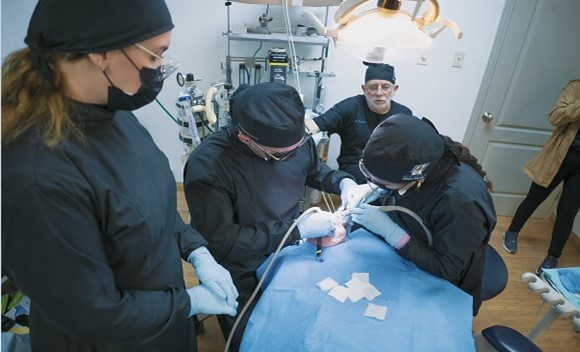
The implemented solution established a complete infection control ecosystem designed for durability and ease of use in a high-volume setting. The sterilization center was upgraded with class B autoclaves featuring automatic monitoring and data logging capabilities, ensuring consistent steam quality and cycle documentation. These were complemented by ultrasonic cleaners with automated chemical dosing and integrated water treatment systems. The monitoring system incorporated biological indicators for weekly sterilization verification, chemical integrators for every sterilization cycle, and digital temperature and humidity monitoring in storage areas with automated alerts. Environmental controls included HEPA air filtration systems in treatment areas, improved ventilation achieving 12 air changes per hour in surgical zones, and surface disinfection protocols using hospital-grade disinfectants with designated contact times. The procedural framework introduced color-coded instrument tracking systems, designated clean and dirty workflow areas with physical separation, and comprehensive staff training programs incorporating regular competency assessments.
Implementation Process
The upgrade followed a systematic implementation strategy coordinated with local health authorities. It began with a baseline assessment, conducting comprehensive air quality tests and surface swabs across 15 locations to identify contamination hotspots and establish baseline metrics. Equipment installation and validation followed, performing biological validation of all sterilization equipment using Geobacillus stearothermophilus spore testing with third-party verification. Staff underwent intensive training covering proper instrument processing, environmental cleaning protocols, and appropriate personal protective equipment usage, with initial training sessions spanning two weeks followed by monthly refreshers. Continuous monitoring systems were established with regular audits and performance feedback, including weekly environmental sampling and monthly infection rate reviews with the clinical team.
Results and Impact
The infection control upgrade yielded remarkable improvements within six months of implementation. The healthcare-associated infection rate dropped dramatically to 0.1%, surpassing the Mexican national average of 2.3% and maintaining this level through subsequent quarterly assessments. Sterilization efficacy reached 100% as verified by biological monitoring, while instrument processing time improved by 40% through workflow optimization and reduced re-processing rates. Staff compliance with infection control protocols reached 95% as measured through unannounced audits, and the clinic achieved certification from the Mexican General Health Council for excellence in infection control—the first border clinic in the state to receive this recognition. Patient satisfaction scores related to clinic cleanliness improved from 68% to 94% post-implementation.
Conclusion
The comprehensive infection control transformation demonstrated that even resource-limited border clinics can achieve international standards of safety and hygiene through strategic investment and systematic implementation. This project serves as a model for other border and remote clinics throughout Latin America, showing that proper planning, appropriate technology selection, and ongoing staff engagement can overcome resource constraints to achieve excellent infection control outcomes. The clinic continues to serve as a training site for other public health facilities in the region, extending the impact beyond its immediate patient population.