
Introduction
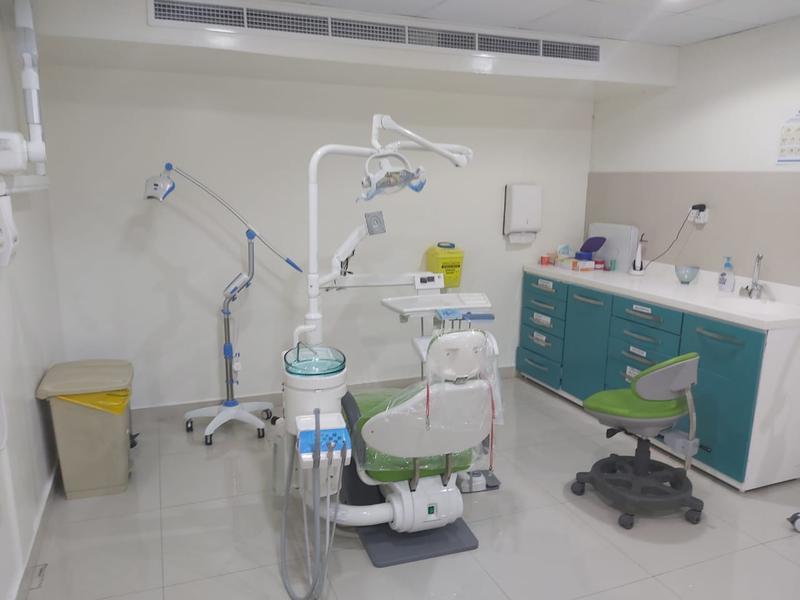
A premium dental clinic in Dubai, catering to high-net-worth individuals and medical tourists, sought to differentiate itself through cutting-edge technology and unparalleled patient experiences. Despite its upscale location and reputation for clinical excellence, the clinic faced challenges in optimizing operational workflows and delivering the seamless, high-tech experience that Dubai’s discerning clientele expected. The management recognized that to maintain their competitive edge in Dubai’s crowded luxury healthcare market, they needed to transform into a truly intelligent dental facility.
Challenges
The clinic’s existing operations presented several limitations in meeting their ambitious standards. Patient experience was fragmented, with separate check-in processes, manual appointment reminders, and disconnected communication channels that failed to provide the seamless journey expected by luxury clients. Operational inefficiencies included manual inventory management, reactive equipment maintenance, and staff time consumed by administrative tasks rather than patient care. Environmental control was inconsistent, with manual adjustment of lighting, temperature, and music in treatment rooms requiring constant staff intervention. Additionally, data management was siloed, with patient records, imaging systems, and business intelligence operating as separate systems, preventing comprehensive analytics and personalized service.
Solution: Integrated Smart Clinic Ecosystem
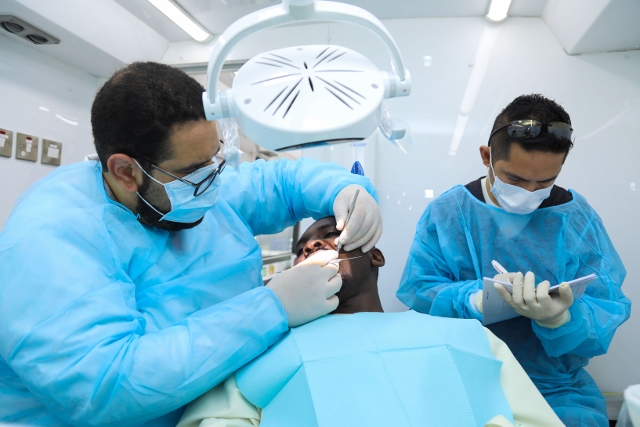
The transformation created a fully integrated smart ecosystem through strategic technology partnerships. The patient experience system was revolutionized with automated check-in processes using facial recognition technology, personalized environment controls that allowed patients to adjust lighting, temperature, and entertainment preferences via tablet, and smart treatment rooms that automatically configured equipment and environmental settings based on the scheduled procedure and practitioner preferences. Operational intelligence was enhanced through IoT-enabled equipment that monitored usage patterns and predicted maintenance needs, automated inventory systems that tracked supply levels in real-time and generated orders automatically, and AI-powered scheduling that optimized resource allocation based on procedure type, practitioner availability, and historical data. The data integration platform created a unified patient record system that consolidated clinical notes, imaging data, and preference history, while business intelligence tools analyzed operational metrics, patient flow, and service profitability to support data-driven decision making.
Implementation Process
The implementation followed a carefully phased approach to minimize disruption to clinical services. Phase one involved comprehensive infrastructure upgrades, including installation of structured cabling, wireless access points, and IoT sensors throughout the facility, requiring coordinated work during off-hours over eight weeks. Phase two focused on core system deployment, with staggered implementation of the practice management platform, patient experience modules, and operational intelligence systems, including data migration from legacy systems with rigorous quality validation. Phase three encompassed staff training and change management, beginning with two months of intensive training sessions, simulated patient journeys, and competency assessments to ensure smooth adoption. The final phase involved optimization and refinement, using the first three months of operational data to fine-tune algorithms, adjust workflows, and incorporate user feedback into system enhancements.
Results and Impact
The smart clinic transformation delivered exceptional results across clinical, operational, and experience metrics. Operational efficiency improved by 50%, measured through increased patient volume (from 32 to 48 daily appointments) without additional clinical staff, while administrative workload decreased by 70% through automation of routine tasks. Patient satisfaction scores reached 98%, with specific praise for the seamless experience and personalized touches, and online reviews frequently mentioning the clinic’s advanced technology as a key differentiator. Equipment utilization increased by 45% through better scheduling and reduced downtime, with predictive maintenance eliminating unplanned equipment failures entirely. The clinic achieved a 35% increase in high-value cosmetic and restorative cases, which management attributed to the confidence patients felt in the clinic’s technological capabilities. Staff satisfaction improved significantly, with reduced turnover and increased time available for direct patient care rather than administrative tasks.
Conclusion
The smart clinic transformation successfully positioned the Dubai dental center as a leader in luxury dental care, demonstrating how technology integration can enhance both operational excellence and patient experience in a competitive healthcare market. The project has become a reference case for dental practices throughout the Middle East, with the clinic hosting numerous visiting delegations interested in understanding the practical implementation of smart clinic concepts. The success illustrates that in premium healthcare markets, technology investment must serve both operational efficiency and experience enhancement, creating a virtuous cycle where improved operations enable better experiences, which in turn drive business growth and staff satisfaction. The clinic continues to innovate, with plans to incorporate AI-assisted diagnostics and expanded tele-dentistry services building upon the robust technological foundation established through this transformation.