Introduction
The Dadaab refugee complex in Kenya, one of the world’s largest refugee settlements, faced critical gaps in dental care services for its population of over 200,000 refugees. Dental pain and infections were among the most common medical complaints, yet no dedicated dental services existed within the camp. Emergency cases required difficult and expensive referrals to distant Kenyan hospitals, creating significant barriers to care for a vulnerable population already facing numerous challenges. A sustainable solution was needed to provide essential dental services within the camp environment.
Challenges
The implementation context presented extraordinary challenges that required innovative approaches. Resource constraints were severe, with limited electricity, no running water in most areas, and extreme scarcity of dental equipment and supplies. Environmental conditions included dust storms, extreme heat, and seasonal floods that complicated infection control and equipment maintenance. Patient population challenges included language barriers across multiple dialects, limited health literacy, and cultural beliefs that sometimes conflicted with Western dental practices. Additionally, logistical complexities involved navigating complex regulations for medical services in refugee settings, security restrictions on certain instruments, and supply chain difficulties for maintaining consistent inventory of essential materials.
Solution: Adaptive Dental Service Model
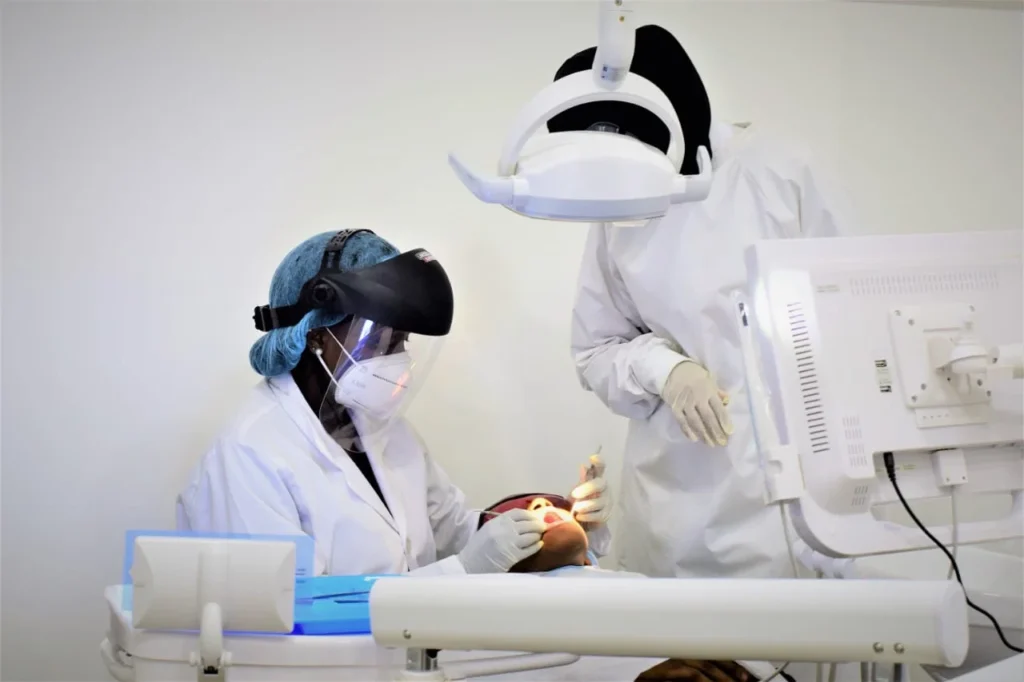
The solution combined appropriate technology, simplified workflows, and community engagement to create a sustainable service model. The clinical setup established three basic dental stations using portable dental chairs operated manually, daylight-operated LED headlamps with battery backup, and simplified instrument sets focused on emergency extractions and basic restorations. Infection control was maintained through pressure cookers adapted for instrument sterilization, single-use disposable items where possible, and rigorous hand hygiene protocols using alcohol-based solutions where water was scarce. The service delivery model prioritized emergency care with clear protocols for tooth extractions, temporary restorations, and antibiotic administration for infections, while preventive services included oral health education using visual aids and basic prophylaxis for children. Community integration trained refugee community health workers in basic oral health assessment and education, established clear referral pathways to other medical services within the camp, and implemented a minimal fee structure for non-emergency services to promote ownership and sustainability.
Implementation Process
The implementation followed a community-first approach to ensure acceptance and sustainability. Initial assessment and partnership building involved conducting needs assessments through focus groups with refugees and obtaining necessary approvals from camp management and Kenyan health authorities. Phase one established a single demonstration clinic in the most accessible sector of the camp, using the first month to build trust, refine protocols, and train initial community health workers. Phase two expanded to two additional locations based on demonstrated need and utilization patterns, with each new location staffed by trained refugee assistants who had shown aptitude and commitment. Ongoing support and monitoring established weekly supervisory visits, monthly supply replenishment, and continuous data collection to track service utilization and outcomes. The entire implementation emphasized capacity building at every stage, with the goal of creating a service that could eventually be managed entirely by trained refugee staff with periodic external supervision.
Results and Impact
The emergency dental service achieved significant impact despite the challenging environment. Service delivery statistics showed 3,000 refugees received essential dental care in the first year of operation, with 85% of cases being emergency extractions for painful infections that would otherwise have gone untreated. Clinical outcomes demonstrated zero cases of serious complications from dental procedures and a 75% reduction in antibiotic prescriptions for dental infections as problems were treated definitively rather than managed medically. Community acceptance grew steadily, with 95% of patients reporting satisfaction with services in exit interviews, and traditional community leaders actively referring people with dental problems to the clinics. System sustainability was evidenced by 15 refugee workers trained to provide dental assistance and oral health education, with three showing potential for further training as dental therapists. The program also successfully navigated the complex regulatory environment, maintaining all necessary approvals and establishing itself as an essential service within the camp’s healthcare ecosystem.
Conclusion
The Dadaab dental program demonstrates that even in the most challenging humanitarian settings, essential dental services can be established using appropriate technology, simplified protocols, and community engagement. The project has become a model for other refugee settings in East Africa, with organizations working in similar contexts seeking to replicate its approach. The success underscores that in resource-limited settings, focusing on a few high-impact services delivered reliably may be more valuable than attempting comprehensive care that cannot be sustained. The program continues to operate, having provided over 8,000 treatments in its first three years, and has expanded to include mobile outreach to particularly vulnerable individuals who cannot travel to the fixed clinic locations. This project stands as a powerful example of how dental professionals can adapt their skills and knowledge to serve populations in extreme need, demonstrating that essential dental care should be considered a component of basic health services even in emergency settings.