Introduction
Following the 8.8 magnitude earthquake that struck central Chile in 2010, widespread infrastructure damage left hundreds of thousands of people without access to basic healthcare, including dental services. Dental emergencies quickly emerged as a significant secondary health crisis, with trauma-related dental injuries, infections from untreated conditions, and tooth loss complicating an already dire humanitarian situation. A rapid mobile dental response was deployed to address these urgent needs in the most affected regions.
Challenges
The post-earthquake environment presented extreme challenges for delivering dental care. Infrastructure was devastated with widespread damage to roads, bridges, and healthcare facilities, making movement difficult and fixed clinics impossible. Resource scarcity was acute with limited electricity, no running water in most areas, and extreme shortages of medical supplies of all types. Population needs were overwhelming, with high volumes of dental trauma cases alongside routine dental emergencies that had been neglected due to the disaster, and significant psychological trauma among survivors complicating clinical interactions. Operational complexities included navigating multiple responding agencies with coordination challenges, security concerns in damaged urban areas, and the need for entirely self-sufficient operations in the early response phase.
Solution: Rapid Deployment Mobile Dental System
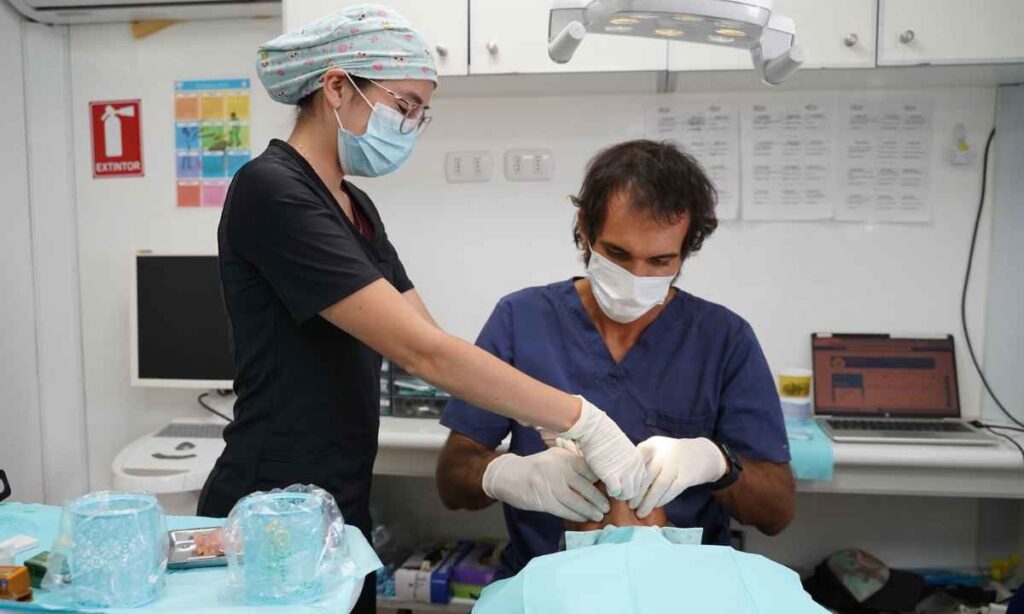
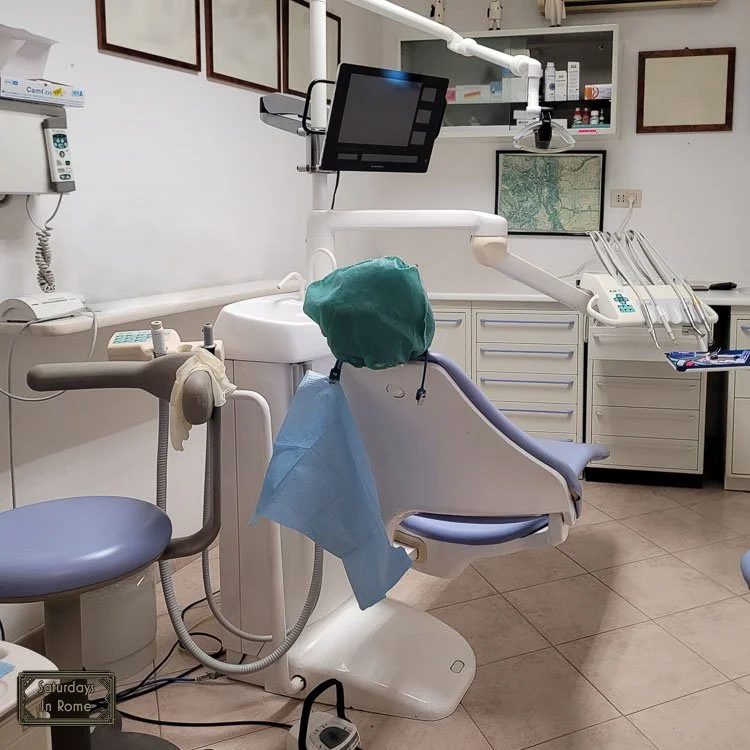
The response utilized specially designed mobile dental units that could operate independently in devastated areas. The vehicle and power system featured four-wheel drive mobile dental vans capable of navigating damaged roads, integrated solar power systems providing 8 hours of daily operation without external electricity, and satellite communication systems for coordination and tele-dentistry support. Clinical capabilities focused on emergency care with portable dental chairs and field-operable equipment, limited instrument sets emphasizing extraction and temporary restoration capabilities, and emergency drug kits including antibiotics, analgesics, and local anesthetics. Infection control solutions were adapted to the challenging environment, employing pressure cooker-based sterilization validated for field use, single-use items where possible with proper waste containment, and chemical disinfection protocols for instruments when sterilization wasn’t feasible. The service delivery model prioritized rapid assessment and treatment using triage protocols to identify urgent cases, simple temporary procedures that could provide immediate relief until more definitive care was available, and clear referral pathways for complex cases to functioning hospitals when possible.
Implementation Process
The deployment followed disaster response best practices with specific adaptations for dental services. Rapid assessment began within 72 hours of the earthquake, with initial teams conducting needs assessments in the most affected areas and identifying potential sites for service delivery based on population density and access to other services. Phase one deployment established three mobile units in the hardest-hit areas, focusing on obvious dental emergencies and trauma cases while coordinating with general medical teams to identify patients with dental needs. Phase two expansion added five additional units as more personnel and supplies arrived, transitioning from pure emergency response to addressing the backlog of routine dental problems that were causing suffering. Phase three transition developed handover plans to local services as they resumed operation, referral systems for complex cases needing follow-up, and documentation of services provided to assist with continuity of care. Throughout the response, the principle of “do no harm” was paramount, with careful consideration of which procedures were appropriate in field conditions and which required referral.
Results and Impact
The mobile dental response delivered significant impact despite the challenging circumstances. Service delivery statistics documented 2,500 patients receiving dental care across eight deployment locations, with over 3,700 procedures performed including 1,800 extractions, 900 temporary restorations, and 1,000 other treatments including trauma management and infection control. Clinical outcomes showed no serious complications from dental procedures performed in field conditions, successful management of 95% of dental emergencies without need for referral to overwhelmed hospital services, and significant reduction in observed dental infections in served communities compared to non-served areas. System effectiveness was demonstrated through successful integration with the broader health response, with dental teams participating in daily coordination meetings, effective use of tele-dentistry for complex case consultations (42 cases), and adaptation of protocols based on emerging patterns of need. Community response was overwhelmingly positive, with local health authorities particularly appreciating the attention to dental needs that are often overlooked in disaster response.
Conclusion
The Chilean earthquake response demonstrated that dental care is an essential component of comprehensive disaster response, addressing significant suffering that might otherwise be neglected. The success of this intervention has influenced disaster planning in Chile and other earthquake-prone countries, with dental services now incorporated into national disaster response protocols. The project highlights the importance of pre-planning for dental disaster response, including having adaptable equipment, trained personnel, and integration plans for when disasters strike. Perhaps most importantly, the response challenged the notion that dental care is a “non-essential” service in emergencies, showing instead that timely dental intervention can prevent more serious health complications, reduce antibiotic use in resource-constrained environments, and contribute to overall recovery by addressing painful conditions that impede people’s ability to resume normal activities. The mobile dental units developed for this response remain in service in Chile, used for ongoing outreach to remote communities while maintained in readiness for future disaster response.