Introduction
Archaeological expeditions in remote locations like Luxor, Egypt, operate in environments with minimal access to healthcare. A dental emergency could halt work, necessitate a costly evacuation, or risk a serious medical situation. A Dental Core Solution Company developed a specialized field dental kit to provide professional-level support to archaeologists and workers at the dig site.
Challenges
The context presented unique difficulties. The remote and arid environment of the Luxor desert meant no access to electricity, running water, or dental facilities . Limited transport options and the fragility of some dental equipment made logistics complex. The scope of practice for the on-site medic was a key consideration; the solution needed to enable emergency care and temporary relief, not complex procedures, with clear protocols for when evacuation was necessary.
Solution: Specialized Field Dental Emergency Kit
The solution was a rugged, portable kit designed for stability and ease of use by a non-dentist.
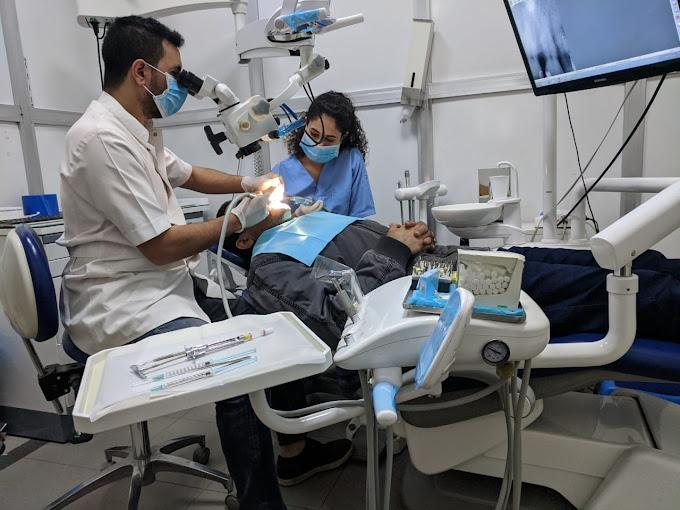
- Portable Diagnostic and Treatment Tools: The kit contained a battery-operated LED headlight, dental mirrors, and explorers. A key component was a portable intraoral scanner, allowing the medic to capture digital impressions of dental injuries or cavities and share them remotely with a consulting dentist.
- Tele-Dentistry Module: A satellite communication terminal and a ruggedized tablet were included, pre-loaded with tele-dentistry software. This enabled live video consultations and the secure transmission of images and scans to a base-center dental surgeon for guidance.
- Emergency Materials and Medications: The kit included temporary filling materials, dental cement, and sedative dressings for pulpitis, all with extended shelf lives stable at high temperatures. It also contained a curated selection of antibiotics, analgesics, and local anesthetics, with strict usage protocols.
Implementation Process
The implementation focused on preparation and training. The needs assessment involved consulting with the expedition leader and reviewing common dental issues in remote, stressful environments. The kit customization was based on this assessment, selecting each component for durability, simplicity, and effectiveness. Intensive training was provided for the expedition’s medic over two days, covering dental anatomy, emergency diagnosis, kit use, and tele-dentistry protocols. A maintenance and resupply plan was established, with scheduled check-ups for the equipment and a streamlined process for restocking consumables.
Results and Impact
The field dental kit proved its value during the first full excavation season. The team successfully managed 100% of dental emergencies on-site, including a case of acute pulpitis and a fractured cusp, eliminating the need for evacuation. The average response time for a dental issue was reduced from potentially days to under 2 hours, thanks to the tele-dentistry link. Expedition leaders reported a significant boost in team morale, as members felt secure knowing professional dental support was accessible. The kit also served the local community in one instance, providing emergency pain relief to a worker from a nearby village.
Conclusion
This project highlights the viability and importance of providing tailored dental support to professional teams operating in extreme isolation. The combination of robust portable equipment and real-time remote expert guidance creates a safety net that protects both the well-being of team members and the continuity of critical fieldwork.