
Introduction
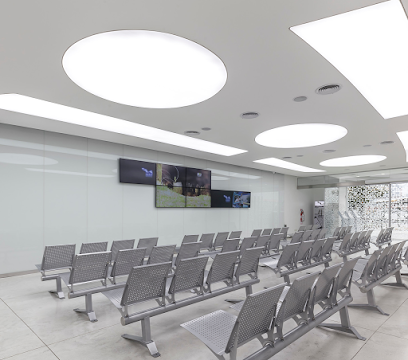
A large public dental hospital in Buenos Aires was facing severe budgetary constraints, threatening its ability to provide continuous care to a vulnerable population. Spending was opaque, with inefficient inventory management and unplanned equipment repairs causing frequent service disruptions. A Dental Core Solution Company implemented a precision cost-control system to achieve financial sustainability without compromising care quality.
Challenges
The hospital’s financial woes were systemic. There was no lifecycle management for equipment, leading to reactive, costly repairs and premature replacements. Inventory management was archaic, resulting in both overstocking of some items and critical shortages of others, like specific anesthetic cartridges. There were no clear Efficiency Evaluation metrics to assess the cost-effectiveness of different procedures or material choices.
Solution: Precision Cost-Control System
The solution was a data-driven management ecosystem focusing on three areas.
- Equipment Lifecycle Management: All dental units, autoclaves, and X-ray machines were tagged and entered into a digital register. The system tracked usage hours, scheduled preventive maintenance, and predicted failures based on manufacturer data and real-time performance, moving from a reactive to a proactive maintenance model.
- Smart Inventory Management: The hospital’s storerooms were equipped with digital scales and RFID tracking. The system established par levels for over 500 consumable items, automatically generating purchase orders when stocks fell below the threshold. It also analyzed usage patterns to identify and eliminate waste.
- Procedure Efficiency Analytics: A software module was integrated with the hospital’s existing patient records system. It tracked the time and materials used for common procedures (e.g., single-tooth extraction, two-surface composite filling), establishing benchmarks and identifying outliers for management review.
Implementation Process
The rollout was gradual to minimize resistance. It started with a pilot phase in the oral surgery department, where the potential for savings was highest. The initial focus was on implementing the inventory management system, demonstrating rapid cost savings and reducing stock-outs, which built staff trust. The equipment management system was then rolled out hospital-wide. Finally, the efficiency analytics module was introduced, with data presented to department heads in weekly performance meetings to foster a culture of continuous improvement.
Results and Impact
Within the first fiscal year, the hospital achieved a 25% reduction in operational costs. Spending on dental consumables decreased by 18% due to reduced waste and bulk purchasing guided by accurate usage data. Equipment downtime was cut by 40%, increasing patient throughput. Most importantly, the hospital avoided planned cuts to its service hours and, with the newfound financial stability, was able to invest in upgrading its most outdated radiographic equipment.
Conclusion
This case demonstrates that financial sustainability in public healthcare is achievable through intelligent data management rather than simply cutting services. The precision cost-control system transformed the hospital’s operations, ensuring it could continue its mission of serving the public by doing more with its available resources.