
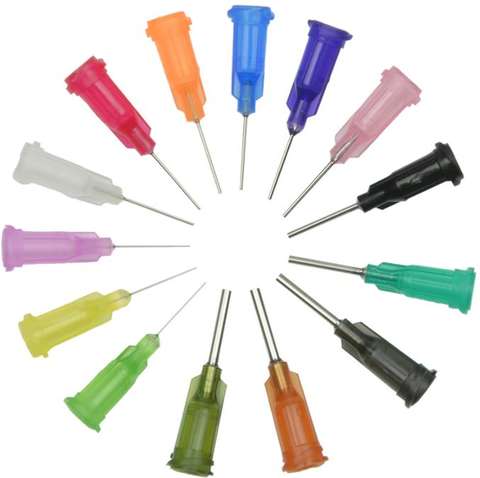
Our Sterile Disposable 1ml Insulin Syringe with Needle is a versatile, precision-engineered instrument designed for safe and accurate low-volume injections across human and veterinary medicine. Its clear, user-centric design ensures reliable dosing and minimizes patient discomfort.
Technical Specifications & Material Science: The syringe features a 1ml (1cc) polypropylene barrel with permanent, laser-etched black graduations in insulin units (100 IU/ml) and often in milliliters, ensuring legibility and preventing accidental wash-off. It is fitted with a 29-31 gauge, ultra-sharp siliconized needle with a triple-bevel point for smooth skin penetration. The needle is permanently bonded (staked) to the hub to prevent separation. The low-dead-space design minimizes medication waste, crucial for expensive biologics.
Industry Standards & Compliance: Manufactured in an ISO 9001 & ISO 13485 certified facility. The product is CE-marked, FDA-listed, and complies with ISO 7886-1 for sterile hypodermic syringes. Each unit is individually blister-packed in a sterility-assured, ethylene oxide (EO) gas-sterilized package with a tamper-evident seal.
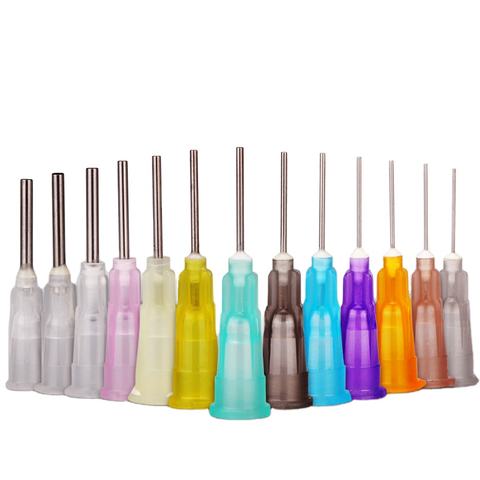
Application Scenarios: Primary use includes subcutaneous insulin administration for diabetes management. It is equally vital in veterinary clinics for administering vaccines, hormones (e.g., in fertility management), or medications to small animals, cats, and dogs. It’s also used in research laboratories for precise fluid handling.
Usage Guidelines: Intended for single-use only. After removing the needle shield, the user should expel air bubbles, draw the correct dose to the desired graduation, administer the injection, and then immediately dispose of the unit in an approved sharps container. Never recap the needle.
Market Value Proposition: Priced competitively for wholesale and bulk procurement, this syringe offers clinics, pharmacies, and veterinary practices a cost-effective, reliable, and safe solution. Its dual human/veterinary applicability broadens its market appeal. By ensuring consistent quality, sharpness, and sterility, it reduces the risk of needlestick injuries, infection, and dosing errors, thereby lowering overall healthcare costs and liability.