
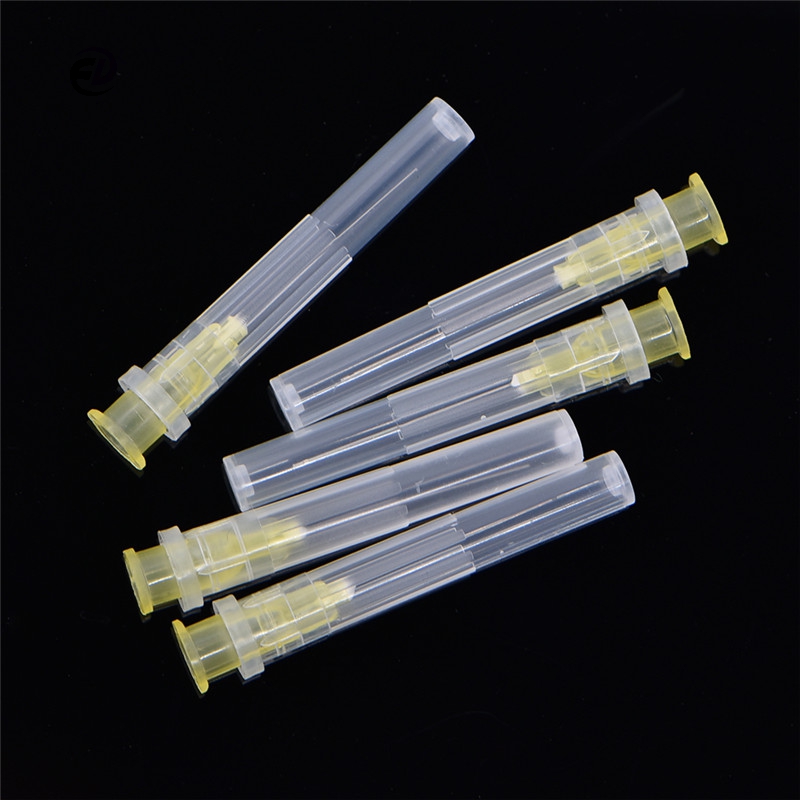
ENFit Oral/Enteral Syringes are specifically engineered safety devices designed to prevent life-threatening misconnections between enteral feeding systems and other medical tubing (e.g., IV, respiratory). Available in a practical range of sizes (1ml, 3ml, 5ml, 10ml), they are a cornerstone of patient safety protocols in modern healthcare.
Technical Specifications & Material Science: The syringe incorporates the globally recognized ENFit connector at its tip. This unique, proprietary design is physically incompatible with Luer connectors, creating a “never event” barrier against accidental wrong-route medication errors. Each syringe includes a secure, push-pull tip cap to maintain cleanliness before and after use. They are made from medical-grade, latex-free polypropylene with clear, bold graduations for easy reading, even in low-light conditions.
Industry Standards & Compliance: Complies with the ISO 80369-3 standard for enteral connectors. Products are CE-marked and often FDA-cleared as Class I or II medical devices. They are sterilized by gamma irradiation or EO gas.
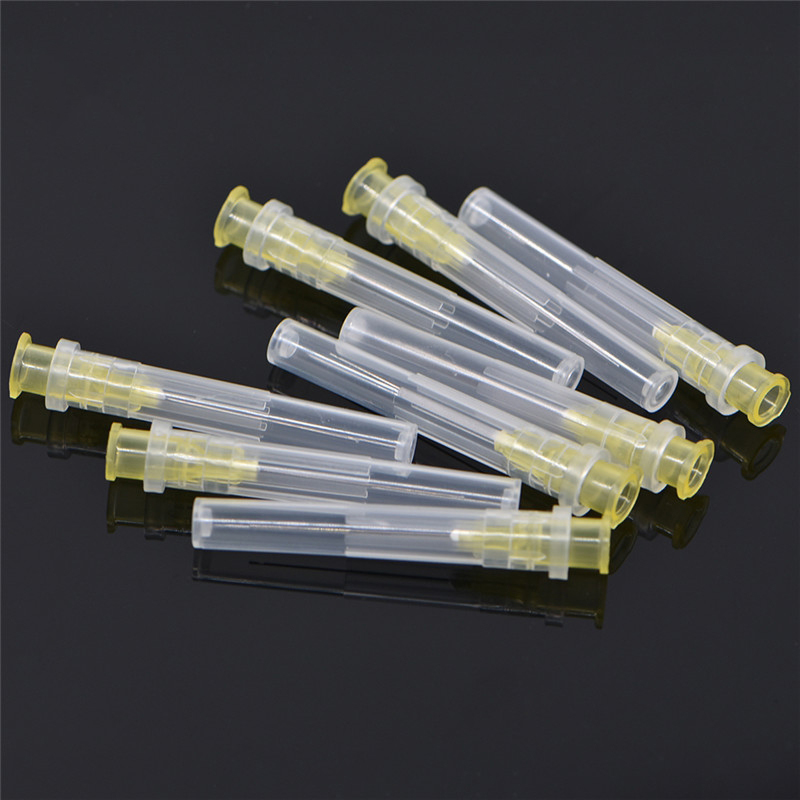
Application Scenarios:
- Hospital & ICU: For administering liquid medication, flushing, and delivering enteral nutrition through nasogastric (NG), percutaneous endoscopic gastrostomy (PEG), or jejunostomy (J) tubes.
- Long-Term Care & Home Care: Essential for patients who require ongoing tube feeding or medication at home.
- Pediatrics: Widely used for accurate dosing of oral medications to infants and children.
Usage Guidelines: Remove tip cap, draw up medication or flush, connect securely to the ENFit port on the feeding tube, administer slowly, flush with water as prescribed, and recap. Never attempt to force a connection to a non-ENFit port. For oral use only (without a tube), the syringe can be used without connecting to anything.
Market Value Proposition: This product directly addresses a critical Joint Commission National Patient Safety Goal. Purchasing ENFit syringes demonstrates a facility’s commitment to the highest standards of patient safety, potentially reducing medical errors, associated liabilities, and harm. For distributors, it represents a growing, non-negotiable market segment driven by regulatory mandates and safety-conscious procurement policies in healthcare institutions worldwide.