
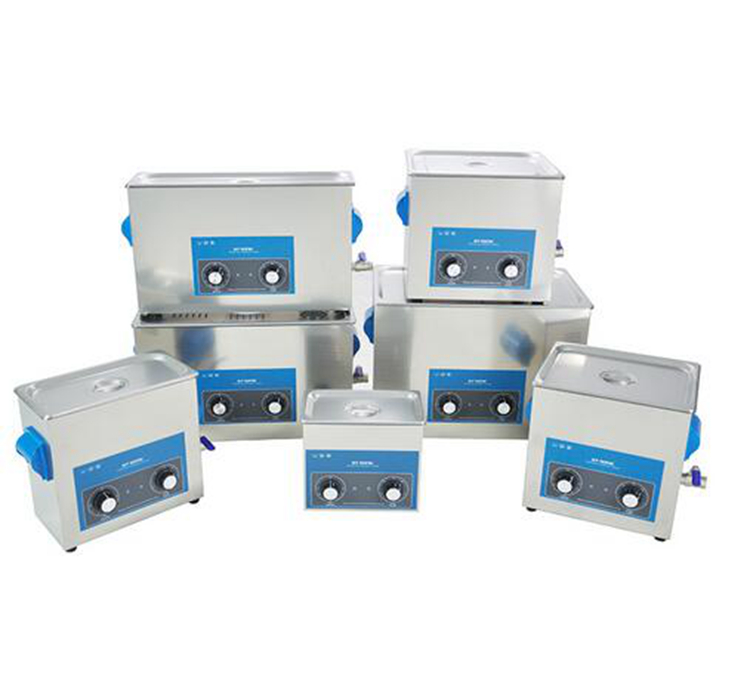
Infection control in dentistry is a non-negotiable pillar of practice, and its efficacy hinges on the critical first step: meticulous cleaning. A medical-grade benchtop ultrasonic cleaner is far more than a simple jewelry bath; it is a sophisticated technological cornerstone of the instrument reprocessing workflow. Its operation is founded on the principle of acoustic cavitation. High-frequency electrical signals (typically 35-45 kHz) are converted by transducers into mechanical vibrations, generating millions of microscopic vacuum bubbles in the aqueous cleaning solution. These bubbles grow and implode with immense force upon contact with instrument surfaces, releasing localized shock waves and micro-jets of fluid. This energy, measured in thousands of atmospheres of pressure, mechanically scours every lumen, hinge, screw thread, and textured surface, dislodging bioburden—blood, saliva, tissue, polishing compounds, and biofilm—that manual brushing cannot reach.
The clinical implications are profound. Residual organic debris on instruments can create a protective barrier, inhibiting steam penetration during autoclave sterilization and potentially leading to sterilization failure. Ultrasonic cleaning prior to autoclaving ensures that instruments are not just superficially clean but surgically clean, thereby guaranteeing the sterility of the subsequent cycle. This process is essential for a wide array of dental tools: complex high-speed handpiece heads, surgical forceps and elevators with box locks, bur blocks, impression trays, and laboratory instruments. Beyond infection control, ultrasonic cleaning preserves capital investment. By removing corrosive contaminants and preventing the buildup of calculus and resin, it extends the functional lifespan of expensive equipment, maintains the sharpness of cutting edges, and ensures the precision of mechanical parts.
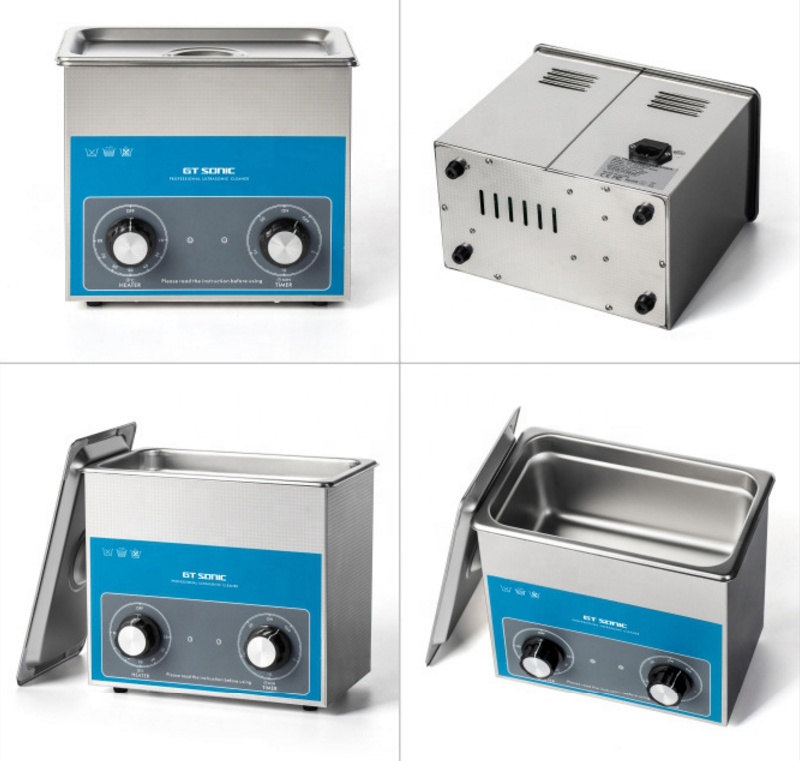
When selecting a unit for a dental practice, key specifications must be considered. The tank must be constructed of medical-grade 316 stainless steel for chemical resistance and durability. A heated function (typically 40-70°C) enhances the chemical action of enzymatic or neutral pH detergents. An adjustable digital timer allows cycles to be optimized for different soil levels, and a degas function removes dissolved air from fresh solution to maximize cavitation efficiency. A secure lid is mandatory to contain aerosols, protecting staff. Integrating this technology is not merely an equipment purchase; it is a commitment to a validated, reproducible, and gold-standard infection control protocol that protects patients, staff, and the integrity of clinical care.