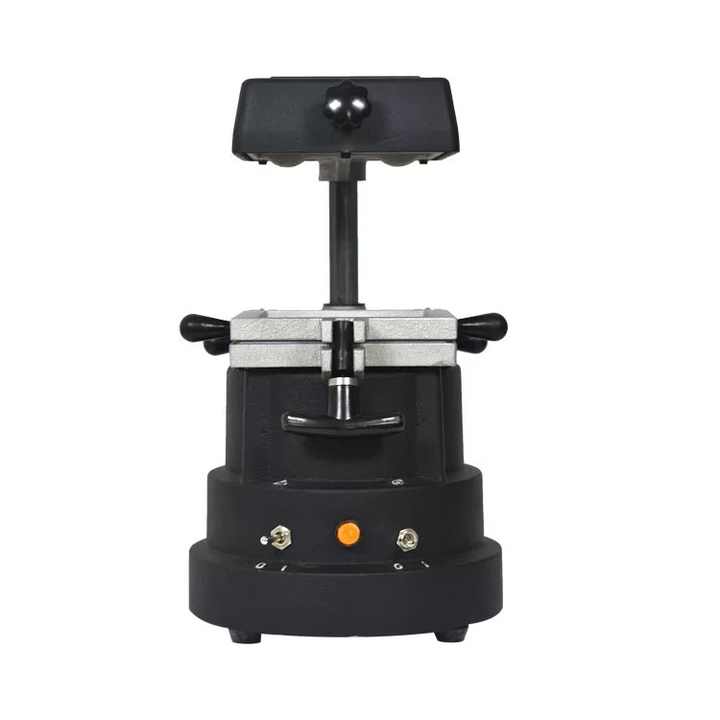
The structural integrity, aesthetic longevity, and hygienic properties of a dental restoration are fundamentally determined during its material processing phase. A high-quality dental vacuum pressure casting machine is a specialized piece of laboratory equipment designed to eliminate the primary defect in processed resins and investments: porosity. By combining vacuum and pressure cycles, it ensures the creation of dense, void-free materials essential for durable prostheses.
Porosity arises from air entrapment during the manual mixing and pouring of materials like acrylic resins for denture bases, composite resins for inlays/onlays, or investment slurries for casting frameworks. These microscopic air bubbles act as stress concentrators, significantly weakening the material, creating potential fracture points, and providing niches for bacterial colonization and stain absorption. The vacuum pressure caster addresses this through a precise, two-stage protocol. First, during the vacuum mixing phase, the material components are combined within a sealed chamber from which air is evacuated. As mixing proceeds under this negative pressure, trapped air bubbles expand, rise to the surface, and are effectively removed from the mixture, resulting in a homogenous, bubble-free slurry or paste.
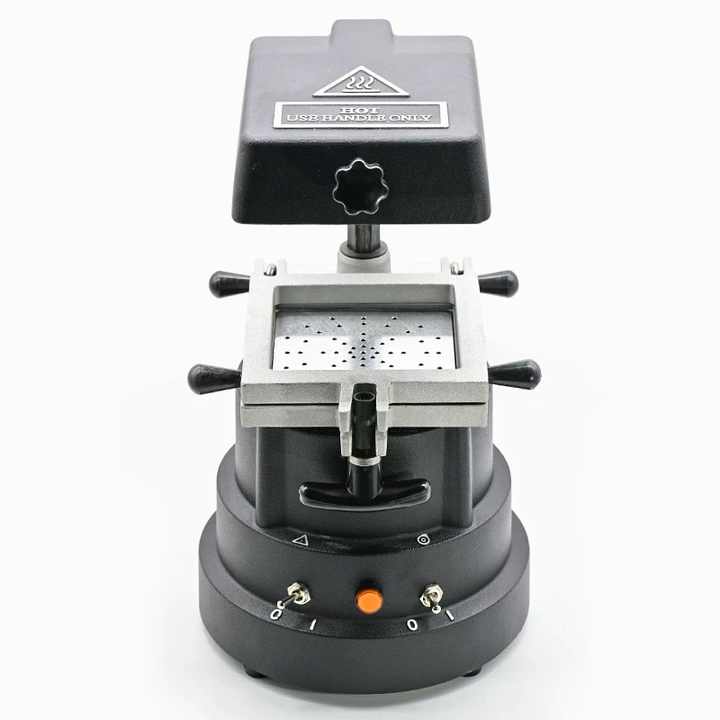
Subsequently, the material is often introduced into a mold under maintained vacuum. The second stage, pressure casting, is then initiated. The entire chamber is subjected to high positive pressure (often 2-6 bar). This pressure further compresses any remaining microscopic voids to insignificance and forces the material with immense energy into the finest details of the mold, capturing exquisite surface texture and margin detail. The result is a restoration with optimal physical properties: higher transverse strength, improved wear resistance, better color stability, and a polished, non-porous surface that resists plaque adherence. For any lab fabricating acrylic prosthetics, composite restorations, or models, this technology is non-negotiable for ensuring laboratory work meets the rigorous demands of the oral environment.