
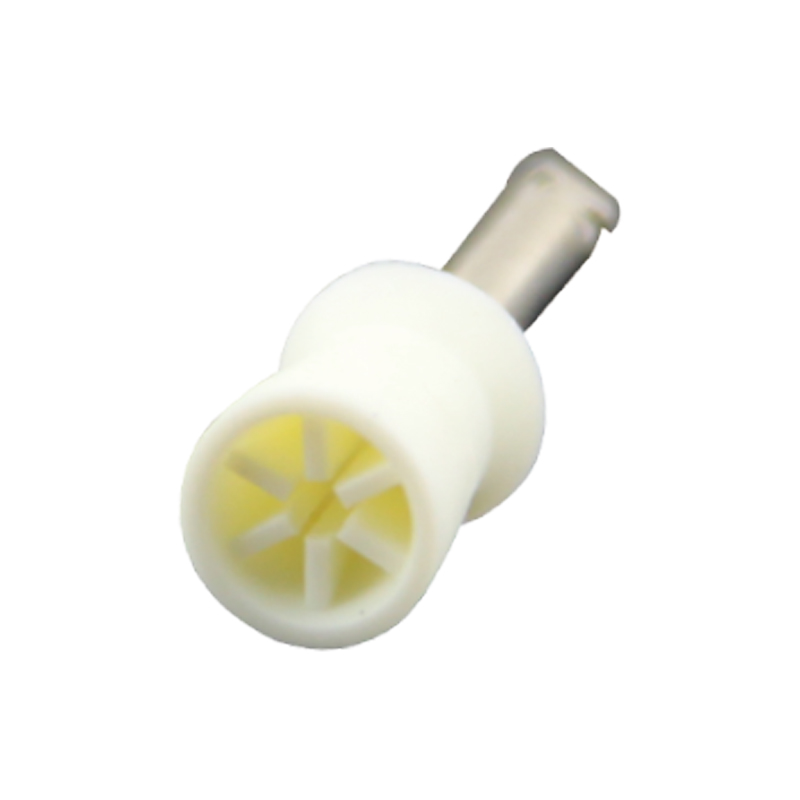
The humble prophylaxis cup is the primary interface between the polishing handpiece and the tooth surface. While often considered a simple consumable, the choice of an autoclavable, reusable prophy cup has significant implications for infection control, polish quality, and cost-effectiveness. These cups are typically made from medical-grade silicone or rubber compounds formulated to withstand repeated autoclave sterilization cycles (typically 135°C) without hardening, cracking, or losing their flexibility.
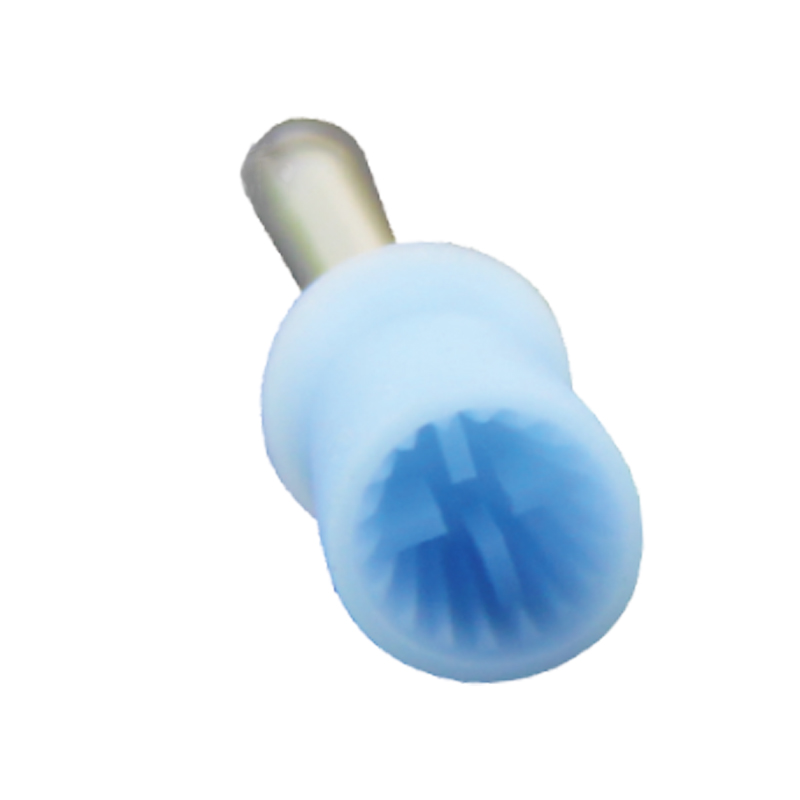
A high-quality autoclavable cup maintains a soft, pliable rim that can adapt to the convex and concave anatomy of the tooth, ensuring even application of the prophylaxis paste and a uniform polish. The internal structure often includes ribs or a web pattern to better retain the abrasive paste during rotation. The ability to autoclave them allows practices to move away from single-use plastic cups, reducing consumable waste and long-term supply costs. Proper maintenance is key: cups should be thoroughly cleaned of all paste residue in an ultrasonic cleaner before sterilization to prevent clogging of the pores and to ensure effective steam penetration during autoclaving. Using a dedicated, sterilizable cup for each patient, as part of a processed prophy angle set, upholds the highest standard of asepsis. Investing in durable, autoclavable prophy cups is a simple yet impactful way to ensure a consistently high-quality, safe, and environmentally conscious polishing procedure.