
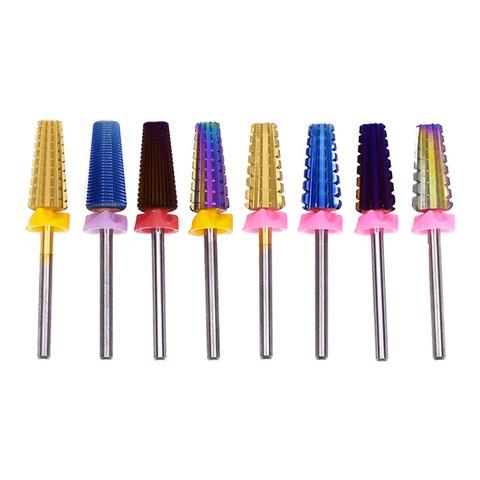
It is important to distinguish between rotary instruments designed for intraoral use and those for industrial or laboratory fabrication. Tungsten carbide rotary burrs with a 6mm (1/4″) shank are standard industrial tools used in high-speed die grinders and drills. In a dental context, their primary application is in the dental laboratory or for equipment repair, not for use on patients.
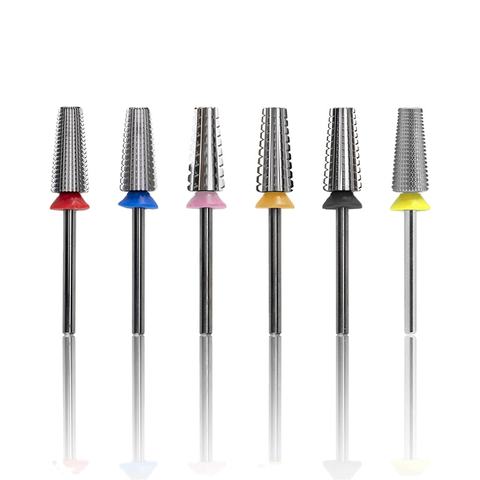
These incredibly durable and aggressive cutting tools are made from solid tungsten carbide with mechanically cut flutes. They are used for shaping, deburring, and grinding metals, plastics, and acrylics. In the lab, they might be used to trim chrome-cobalt alloy frameworks for partial dentures, adjust metal occlusal surfaces, or modify dental stone models. For in-office repair, they can be used to smooth a rough edge on a chair component or bracket table. They are not sterilizable for intraoral use due to their porous microstructure and industrial-grade manufacturing, which does not meet the biocompatibility standards required for patient contact. Their shank size (6mm) is also incompatible with dental handpieces, which use FG (1.6mm) or RA (2.35mm) shanks. Dental professionals should understand these distinctions to ensure the correct, safe, and effective tool is always used for the appropriate task, maintaining both clinical safety and laboratory efficiency.