
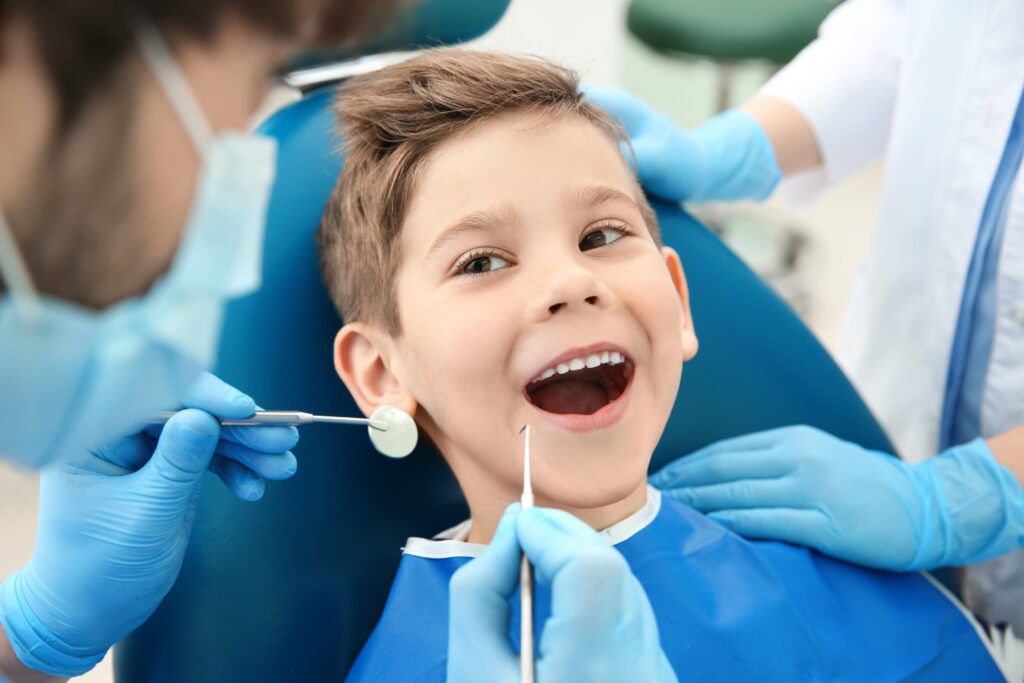
Establishing excellent oral hygiene habits and regular dental care from infancy is fundamental to ensuring children grow up with strong, healthy teeth and a positive attitude towards dentistry, setting the stage for a lifetime of good oral health.
Starting Early: Dental care begins even before the first tooth appears. Parents should gently wipe an infant’s gums with a clean, damp cloth after feedings. The eruption of the first tooth (usually around 6 months) signals the time for the first dental visit and the start of brushing. Use a soft, infant-sized toothbrush with a tiny smear (rice-grain size) of fluoride toothpaste twice daily. By age 3, increase to a pea-sized amount. Parents must brush their child’s teeth thoroughly until they develop the dexterity to do it effectively themselves, usually around age 6-8, and continue supervision until age 10-11.

The First Dental Visit: Schedule the initial visit by the child’s first birthday or within six months of the first tooth erupting. This early visit acclimates the child to the dental environment, allows the dentist to check growth and development, assess cavity risk, and provides parents with crucial guidance on feeding, brushing, fluoride use, and habit management (like thumb-sucking or pacifier use).
Prevention is Key: Diet plays a massive role. Limit sugary drinks (juice, soda) and sticky snacks. Encourage water, especially fluoridated tap water. Never put a child to bed with a bottle containing anything but water. Dental sealants are a superhero for preventing cavities in children. Applied to the deep grooves of newly erupted permanent molars (around ages 6 and 12), these thin plastic coatings act as a barrier, shielding the enamel from plaque and acids. Fluoride varnish applications during check-ups provide concentrated enamel strengthening.
Addressing Habits & Trauma: Prolonged thumb-sucking or pacifier use beyond age 3-4 can affect jaw development and tooth alignment; dentists can offer strategies for cessation. Mouthguards are essential for children playing sports to prevent dental injuries.
Positive Experiences: Regular check-ups every six months allow for monitoring development, applying preventive measures, catching problems early, and building a trusting relationship. Making dental visits positive and routine prevents dental anxiety and fosters a proactive approach to oral health as children grow.