
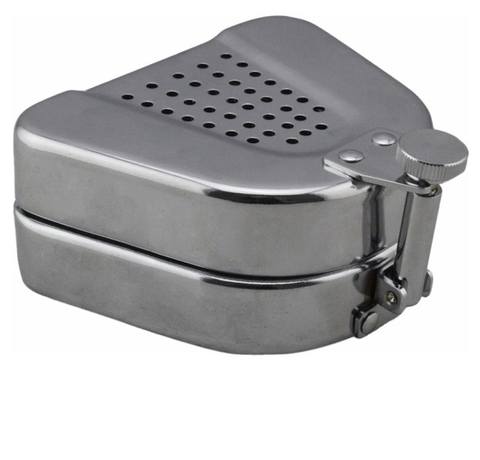
The Dental Laboratory Duplicator Flask is a specialized container used in conjunction with hydrocolloid duplicating materials to create accurate molds of master models. This process is essential for producing multiple refractory casts from a single original, particularly in removable partial denture framework fabrication.
Technical Specifications & Material Science: Similar to a small denture flask, it is made from aluminum or stainless steel and consists of two or three parts that lock together securely. It is designed to be watertight to contain the liquid duplicating material (agar). The interior is smooth, and the walls are sufficiently thick to withstand the thermal cycling of the agar, which is melted and then gelled within it. Sizes vary to accommodate different model dimensions. Some designs include a sprue former base that attaches to the bottom to create channels for pouring the refractory material.
Industry Standards & Compliance: A standard tool for a specific step in the RPD casting process.
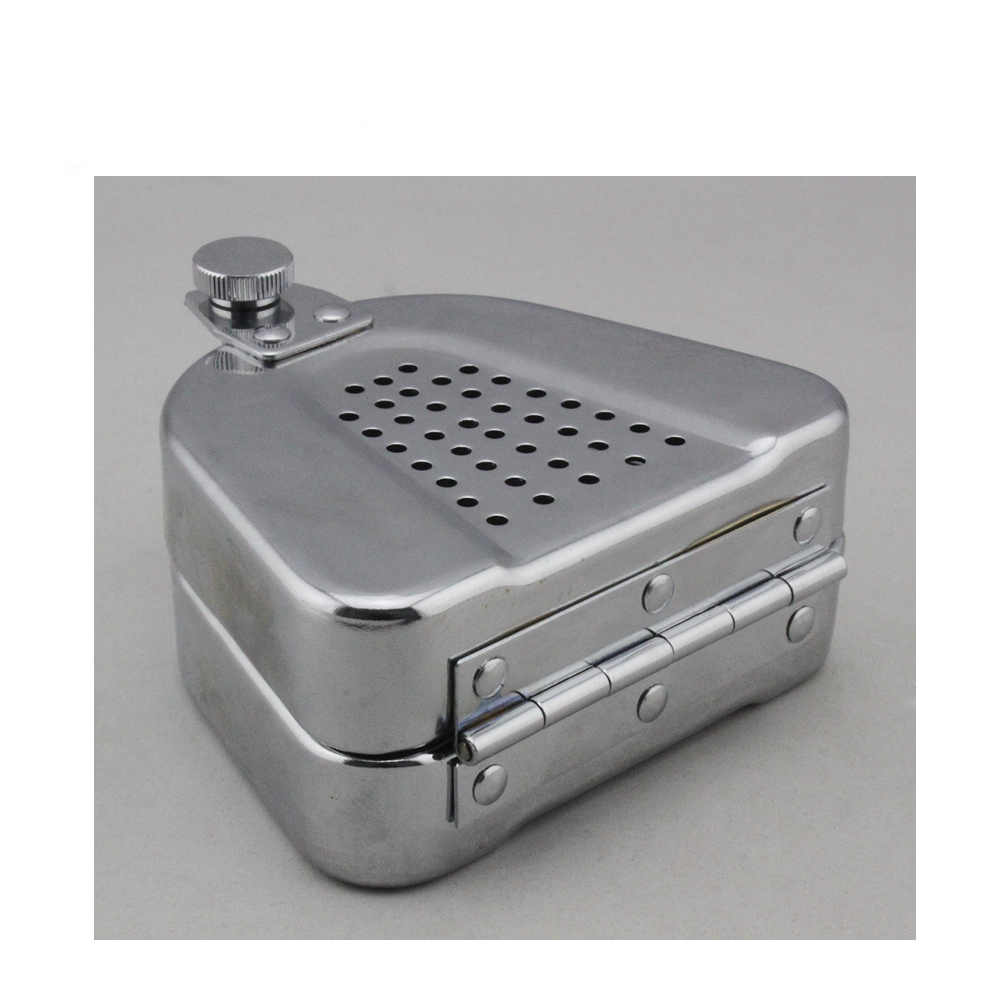
Application Scenarios: The core of the model duplication process. The master model with the wax pattern is placed inside, liquid agar is poured around it, and the flask is closed. Once gelled, the master is removed, leaving a perfect agar mold. This mold is then used to pour the refractory cast that will be invested for the metal casting process.
Usage Guidelines: The master model is prepared and seated on the flask base. Warm, liquefied agar is carefully poured to avoid bubbles. The top is secured, and the flask is cooled in a water bath to set the agar. After opening, the master model is removed, and the refractory slurry is vibrated into the agar mold cavity.
Market Value Proposition: A dedicated duplicator flask ensures consistent, bubble-free duplication, which is critical for the accuracy of the final metal framework. For labs that perform casting, it is a necessary specialized item. For suppliers, it represents a targeted, high-value sale to the prosthetics and RPD-focused laboratory segment.