
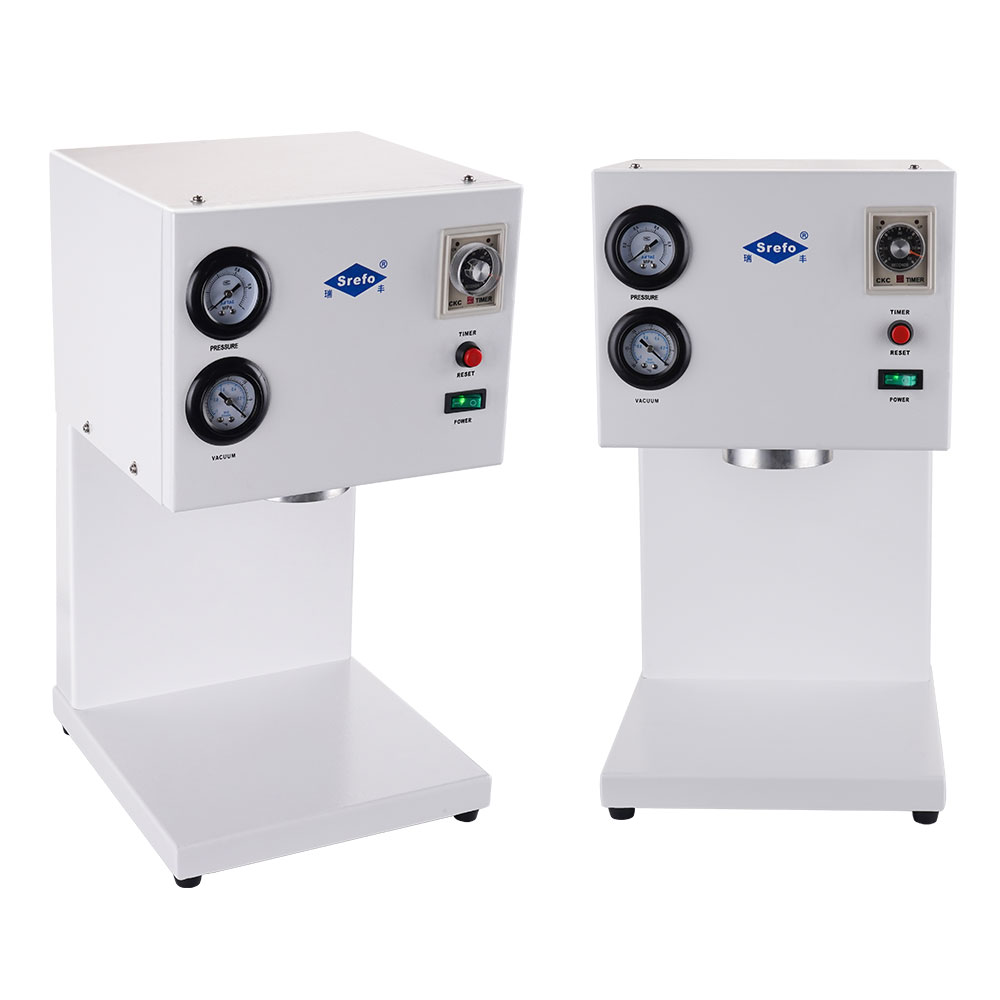
Consistency and precision in the dental laboratory begin with the flawless preparation of foundational materials. The dental vacuum mixer is a ubiquitous and essential workhorse, engineered to remove entrapped air from a wide variety of materials, thereby preventing defects that could compromise every subsequent step of the fabrication process.
This device’s utility spans the entire laboratory workflow. Its most common application is in mixing dental plaster, stone, and investment powders with water. When mixed under atmospheric conditions, these slurries trap air, leading to models with surface pits, internal voids, and compromised strength. By mixing under a vacuum, the air is evacuated from the mixing bowl as the components combine. The result is a dense, bubble-free slurry that pours smoothly, captures impeccable detail from impressions or dies, and sets into a hard, accurate, and reliable master model. The strength of such a model is crucial for withstanding the stresses of die trimming, waxing, and appliance fabrication without breaking.
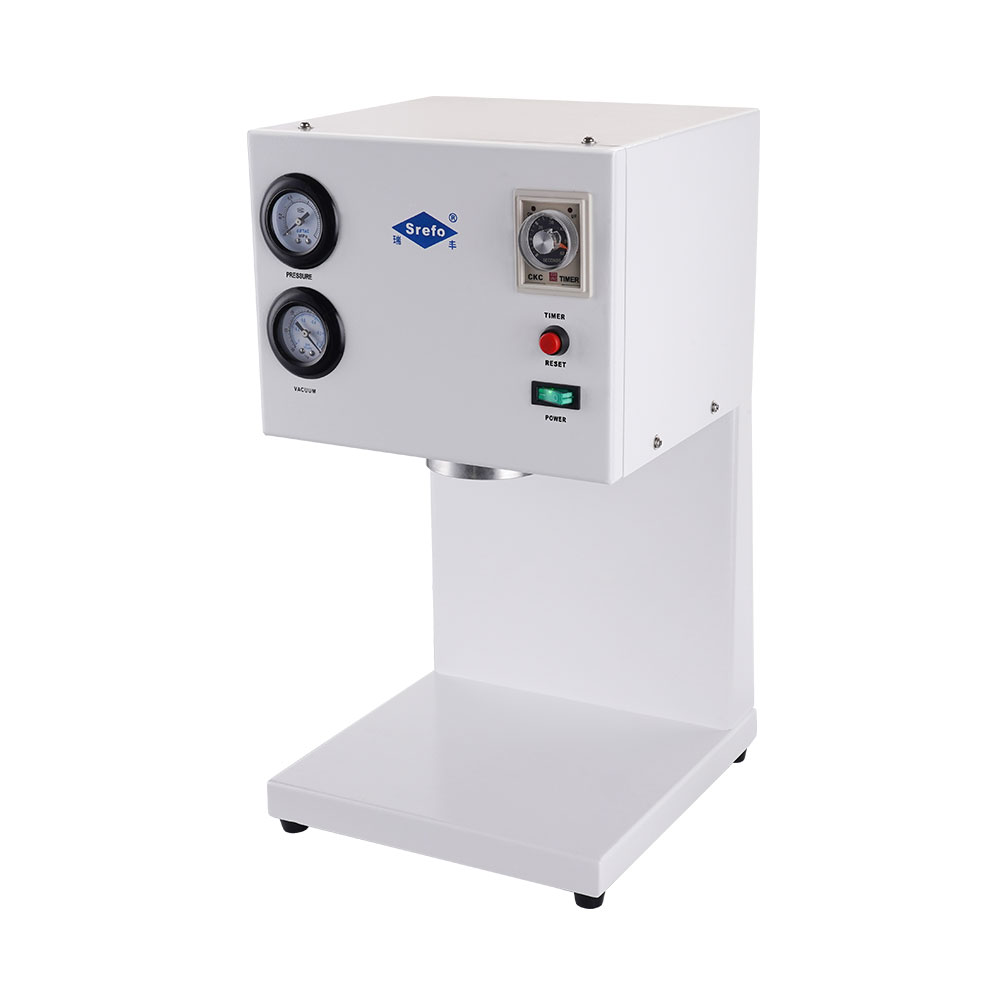
Beyond model materials, the vacuum mixer is vital for processing numerous polymers and elastomers. This includes mixing silicone for accurate duplication molds, polyvinyl siloxane (PVS) for laboratory bite registrations, and auto-polymerizing acrylic resins for custom impression trays or temporary restorations. In each case, porosity is the enemy of accuracy and function. A porous mix can lead to a duplicating mold with surface imperfections, an imprecise bite record, or a weakened temporary crown prone to fracture. By ensuring a homogenous, void-free mix, the vacuum mixer guarantees the material’s properties are fully realized. It is, therefore, not merely a mixing device but a fundamental quality control instrument, underpinning the accuracy and success of virtually all laboratory-fabricated dental products.