Reaching India’s vast rural population with consistent, quality dental care is a monumental task. A Dental Core Solution Company can address this by designing and implementing a self-sufficient, solar-powered mobile dental clinic tailored for remote villages, turning a van into a fully operational, sustainable dental office.
The Challenge: The Infrastructure Gap
The core problem was the complete lack of dental infrastructure. Target villages had no reliable electricity, no clean running water, and no trained dental professionals. Existing government health centers were often under-staffed and lacked dental equipment. Patients suffered from entirely preventable and treatable conditions like caries and periodontal disease, with no access to care except for long, expensive journeys to district hospitals.
The Solution: An Off-Grid, Comprehensive Mobile Unit
The solution was a custom-built mobile clinic designed from the ground up for independence and durability.
- Power Independence: The vehicle was fitted with a robust solar panel array on its roof, connected to a bank of high-capacity lithium-ion batteries. This system could power all clinical equipment, LED lights, and a small air conditioner for an entire 8-hour workday without any grid electricity. A silent diesel generator was included as a backup for extended cloudy periods.
- Water Self-Sufficiency: A built-in water purification system with a large storage tank ensured a clean water supply for procedures. A compact, energy-efficient suction unit and autoclave were specifically chosen for their low water consumption.
- Compact and Rugged Equipment: The interior was a marvel of space optimization, featuring a lightweight, carbon-fiber dental chair, a portable dental delivery system, and a handheld, battery-operated intraoral scanner for digital impressions. All equipment was selected for its ability to withstand the vibrations and dust of rural roads.
- Tele-dentistry Link: Despite remote locations, the van was equipped with a cellular booster and satellite modem, enabling it to connect to a central tele-dentistry platform for specialist support and consultation, similar to models used by Indian social enterprises like Sevamob .
- Supply Chain for Remote Areas: The company established a unique logistics chain, using a hub-and-spoke model to pre-position kits of consumables (gloves, anesthetics, composite, fluoride) in larger towns, from where they could be efficiently distributed to the mobile unit on its scheduled route.
Implementation: Building a Repeating Service Cycle
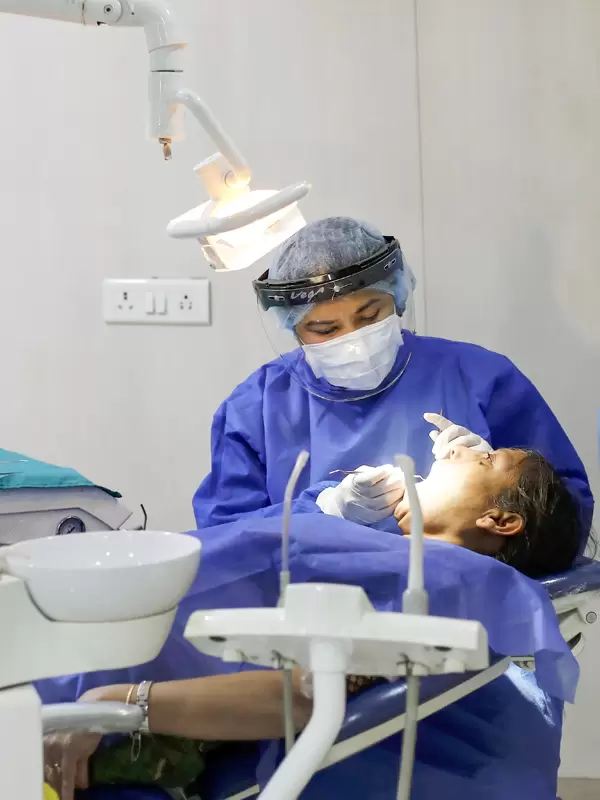
Implementation focused on creating a predictable, reliable service. A schedule was published in advance, informing villages of the clinic’s visit dates. The mobile team consisted of a dentist and a local community health worker trained as an assistant. The health worker was also responsible for basic oral health education, using tablets with visual aids to teach brushing techniques. The model shared similarities with the subscription-based, mobile-first approach of Indian social enterprise Sevamob, which aims to provide affordable care . Data collected from screenings (using the digital scanner and simple forms on a tablet) was synced to the cloud when connectivity was available, helping to map regional oral health trends.
Results and Impact: Measurable Health and Social Gains
The mobile clinic’s impact was profound and multi-faceted.
- Direct Clinical Care: Over 24 months, the single mobile unit provided over 12,500 patient consultations across 15 villages, performing procedures from simple fillings and extractions to oral cancer screenings.
- Public Health Impact: The focus on prevention and education led to a measurable decrease in the prevalence of untreated caries in children in the serviced areas. The incidence of severe dental pain emergencies reported at local health outposts dropped significantly.
- Economic and Social Sustainability: The operational cost per procedure was kept extremely low. A small, subsidized fee for treatments ensured some cost recovery while remaining affordable. The project created local employment and empowered communities by bringing healthcare to their doorstep, building immense trust.
- Scalability and Replication: The success of this single unit demonstrated a viable, scalable model for providing dental care in any infrastructure-poor setting. The use of repurposed shipping containers for static clinics in some locations further enhanced sustainability, as they are prefabricated, generate less waste, and can be easily relocated .
This initiative stands as a powerful testament to how thoughtful, appropriate technology and robust logistical planning can bridge the healthcare gap, delivering sustainable and dignified dental care to the world’s most underserved populations.