
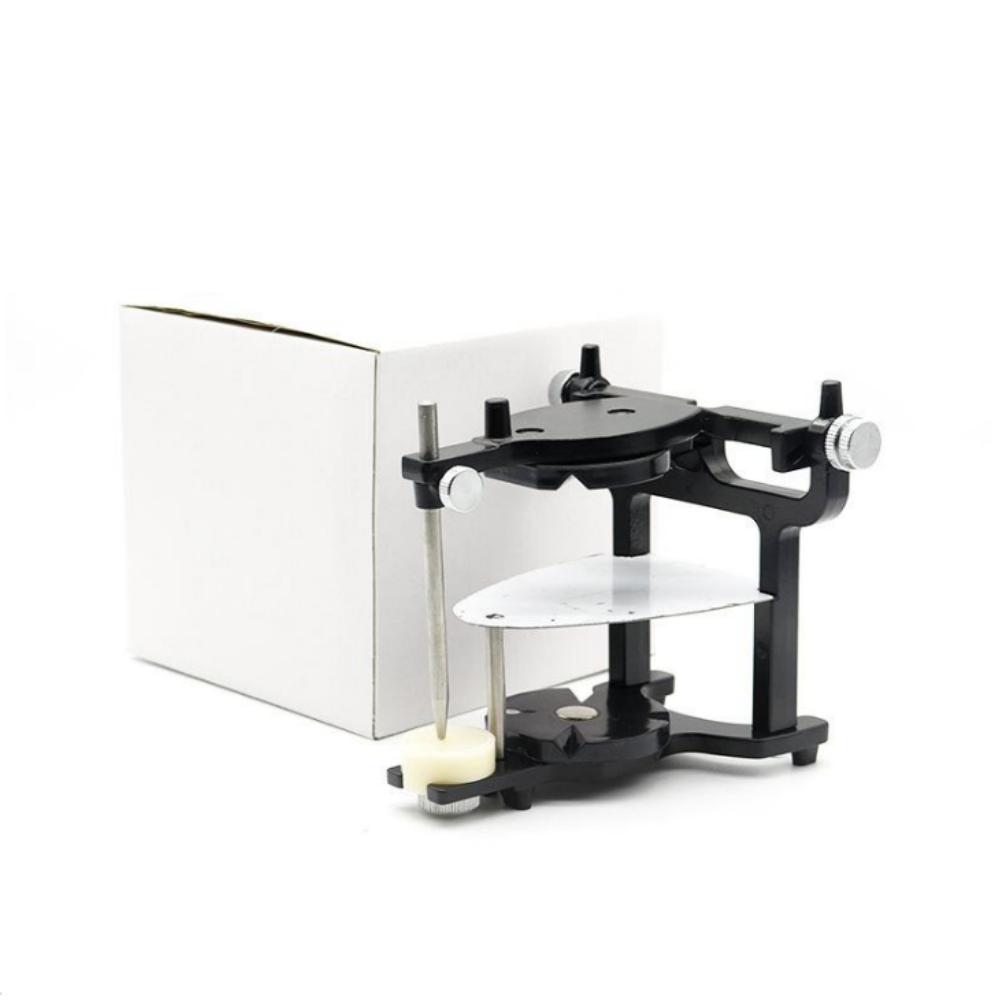
For the fabrication of multi-unit bridges, full-mouth rehabilitations, or any complex prosthodonic case, a high-quality, adjustable articulator is an indispensable laboratory instrument. A premium magnetic articulator, such as a Type C style, simulates the patient’s mandibular movements with a high degree of accuracy, allowing the technician to build restorations in harmony with the patient’s unique occlusion.
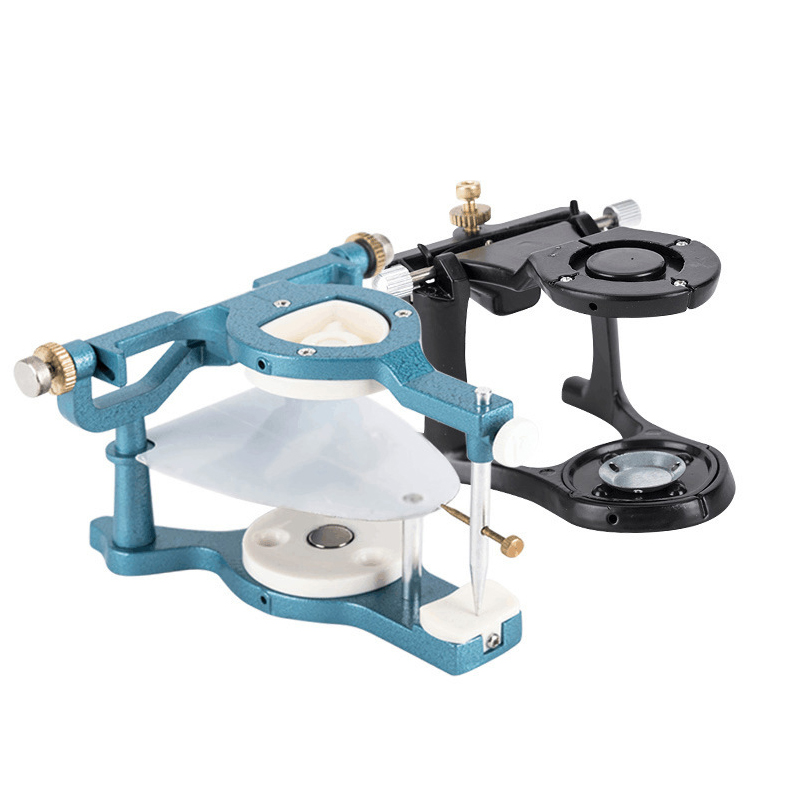
The “magnetic” feature refers to the use of powerful rare-earth magnets to hold the dental casts (models) in place. This allows for instant, secure attachment and easy removal of models without the hassle of plaster mounting for each step, greatly speeding up the workflow. The “fully adjustable” capability means the instrument can be set to replicate the patient’s specific condylar guidance (benching and lateral movements), incisal guidance, and intercondylar distance, typically using values obtained from a facebow transfer and protrusive records taken by the dentist. This level of simulation is far superior to simple hinge articulators, as it accounts for the dynamics of chewing. By using such a precise instrument, the dental laboratory can contour occlusal surfaces, establish proper canine guidance, and ensure even force distribution in excursive movements on the model before the restoration is tried in the mouth. This minimizes chairside adjustments, reduces remakes, and is fundamental to creating stable, functional, and long-lasting prosthetic work.